Planning an HVAC Upgrade That Performs Through Every Season
Assess your home’s needs first, because the best HVAC decisions start with a clear scope. Square footage, insulation levels, window exposure, and room usage patterns all affect capacity. An oversized system short cycles and wastes energy, while an undersized unit struggles on extreme days. Gather utility bills, note comfort hot spots, and sketch airflow paths. That baseline lets you compare options with confidence instead of guessing on tonnage or features.
Meanwhile, think through lifecycle costs rather than chasing the lowest upfront bid. Equipment price is only part of the picture when you add installation complexity, filter schedules, and expected repairs. Efficiency ratings help, but duct condition, thermostat logic, and sealing methods can swing outcomes. Ask how each choice influences maintenance intervals and parts availability so your future outlays are predictable and aligned with your long-term plans.
Then evaluate install readiness by inspecting ducts, returns, and supply registers. Leaky or undersized ducts can sabotage even premium systems, creating uneven rooms and noisy operation. A good plan stages any duct corrections before AC Installation or Heating Installation to avoid rework. Verify that return pathways are adequate for airflow, especially in closed-door bedrooms, and that outdoor equipment has proper clearances from landscaping and fencing.
Finally, consider zoning and control strategies to refine comfort across different areas. Multi-level homes often benefit from separate thermostats or smart dampers that balance temperatures. Ductless Mini Split options can serve additions or converted spaces without tearing into walls. Calibrate expectations by mapping zones to actual occupancy, and validate thermostat placement away from drafts, direct sun, or heat sources that can mislead sensors.
Beyond that, weigh the role of heat pumps, which can deliver efficient heating and cooling in a single platform. In shoulder seasons, they operate gently and maintain steady temperatures without frequent cycling. Cold-climate models broaden usefulness when temperatures dip, while hybrid setups pair with furnaces for flexibility. Compare defrost strategies, compressor types, and auxiliary heat management to match regional weather and your comfort priorities.
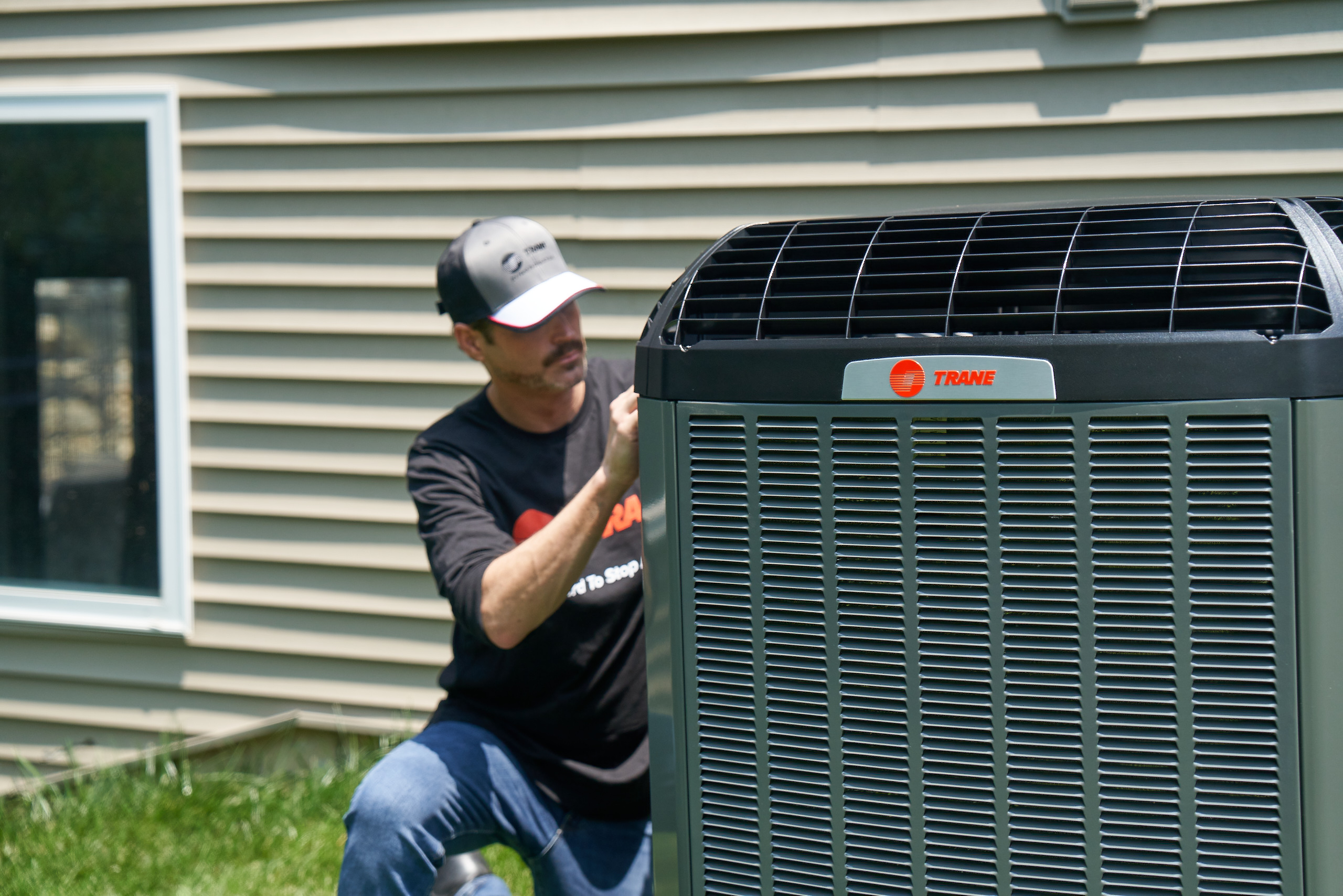
In practice, reliability stems from details during installation. Proper line-set sizing, clean brazing, and accurate vacuuming protect compressors. Charge levels need to be validated with manufacturer guidance, not guessed. Electrical disconnects, condensate routing, and pad leveling affect safety and serviceability. A careful installer will document readings on startup, record static pressures, and verify that fan speeds align with design airflow for quiet, efficient operation.
Often, indoor air goes overlooked even though Indoor Air Quality influences comfort as much as thermostat settings. Filtration, humidity control, and ventilation should be scoped together. Media filters reduce resistance compared with small 1-inch options, while sealed return cavities prevent dust infiltration. If moisture swings are common, consider dedicated dehumidification or variable-speed equipment that can maintain setpoints without overcooling. Fresh air strategies must be balanced to avoid pressurization issues.
However, even strong equipment choices falter without consistent care. HVAC Maintenance keeps warranties intact and performance steady. Filters need timely replacement, coils should be cleaned, and condensate paths inspected for clogs. Document service dates, parts changes, and pressure readings so trends are visible. That record helps distinguish a one-off issue from a developing pattern, guiding whether AC Repair or Heating Repair is the smarter action.
Meanwhile, noise and placement deserve attention to preserve tranquility. Exterior units should be sited on stable pads with vibration isolation, away from bedroom windows where possible. Indoors, verify that return drops and plenums are configured to buffer sound, and that flex runs are minimized to reduce turbulence. Smart thermostat algorithms can stage equipment gently, lowering ramp-up noise while still meeting set temperatures predictably.
Lastly, plan for growth and access so future service is straightforward. Leave clearances for panels, keep documentation handy, and label circuits and dampers. If remodeling is ahead, phase mechanical work early to protect ducts and equipment from dust. When needs change—like a new home office or finished attic—heat pumps or targeted Ductless Mini Split additions can expand capacity gracefully, extending system life while preserving the investment you made today.